


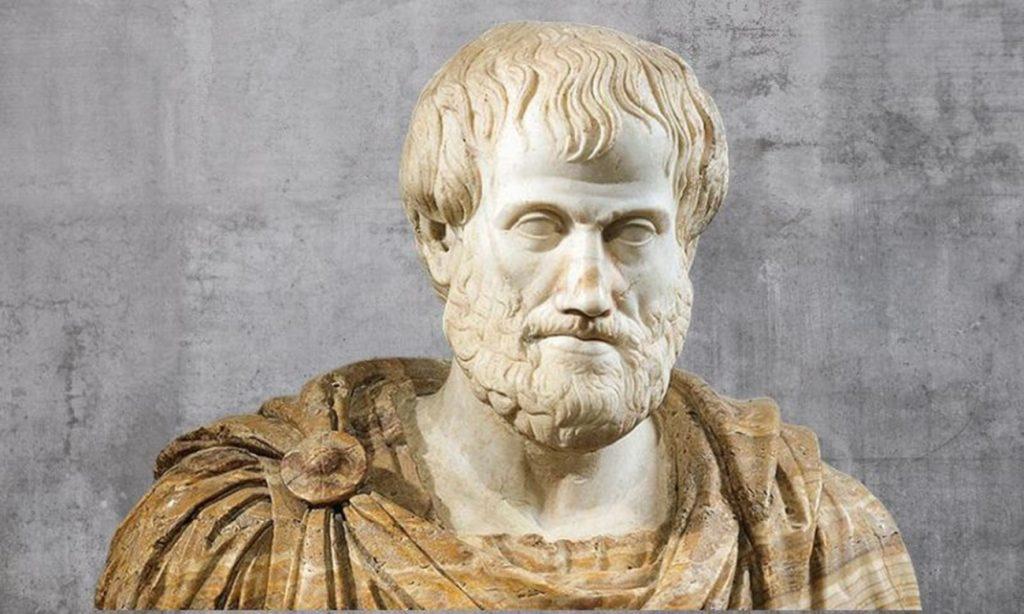

Aristotle, one of the greatest philosophers of all time, left behind a legacy of wisdom that remains relevant even today. His teachings can guide us toward a more fulfilling and ethical life. Here are five of Aristotle's key philosophies that can transform our modern lives:
1. The Golden Mean – Striving for Balance
Aristotle’s concept of the Golden Mean teaches that virtue lies between extremes. For example, courage is a balance between recklessness and cowardice. In today’s world, where excess and deprivation often dominate our choices, applying the Golden Mean can help us find moderation in work, relationships, and personal growth.
2. Eudaimonia – The Pursuit of Flourishing
Eudaimonia, often translated as “flourishing” or “the highest human good,” suggests that true happiness comes from living a life of purpose and excellence. Unlike fleeting pleasures, Aristotle’s idea of happiness involves continuous self-improvement and the fulfillment of one’s potential. In our fast-paced world, focusing on personal growth rather than short-term satisfaction can lead to deeper fulfilment.
3. Virtue Ethics – Character Over Rules
Aristotle believed that ethics should be about developing good character rather than merely following strict rules. He argued that virtues such as honesty, kindness, and generosity should be cultivated through practice. By applying virtue ethics in our daily lives, we can make moral decisions based on character rather than simply adhering to laws or social norms.
4. Friendship and Community – The Importance of Social Bonds
Aristotle categorised friendship into three types: friendships of utility (based on benefits), friendships of pleasure (based on enjoyment), and friendships of virtue (based on mutual respect and goodness). He emphasised that the highest form of friendship is built on shared values and trust. In an era of digital connections, prioritising meaningful and virtuous friendships can greatly improve our well-being.
5. Practical Wisdom – The Art of Making Good Decisions
Aristotle valued practical wisdom (phronesis) as the ability to make sound judgments in real-life situations. He believed wisdom comes from experience, reflection, and moral insight. In a world filled with distractions and rapid decision-making, practicing phronesis can help us navigate challenges with wisdom and clarity.
Conclusion
Aristotle’s philosophies provide timeless guidance for modern living. By embracing balance, pursuing true fulfillment, cultivating virtues, nurturing meaningful relationships, and applying practical wisdom, we can lead more enriched and ethical lives. His ideas remind us that philosophy is not just about theory but about living well every day.
